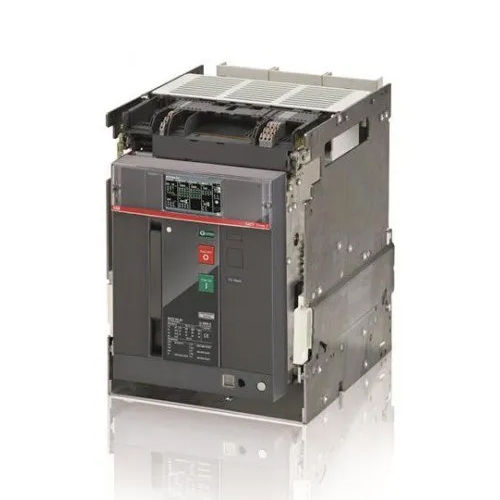
About Siemens ACB Service
| No.of Poles |
Four Pole |
| Rated Current |
800 A to 1600 A |
| Brand |
Siemens |
| Type |
D Curve |
| Certification |
CE Certified |
| Breaking Capacity |
75 KA |
| Model Name/Number |
3WT,3WL,3WA |
| Voltage |
433 V |
| Phase |
3 |
| Frequency |
50 |
| Warranty |
1 year |
| Degree Of Protection |
IP 56 |
| Country of Origin |
Made in India |
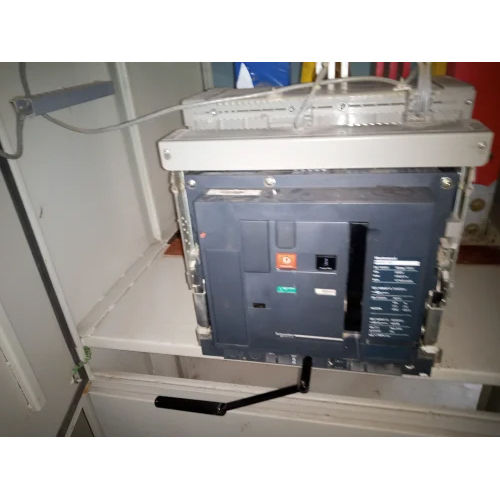
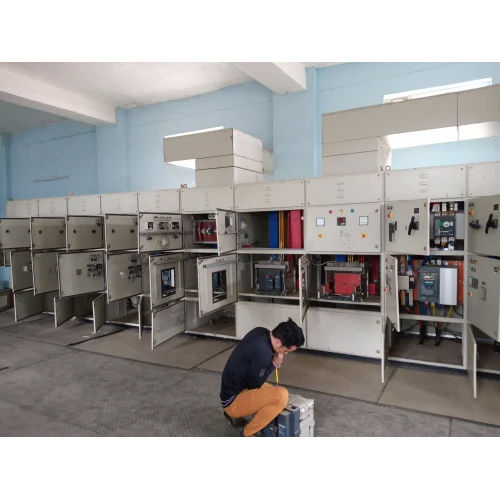
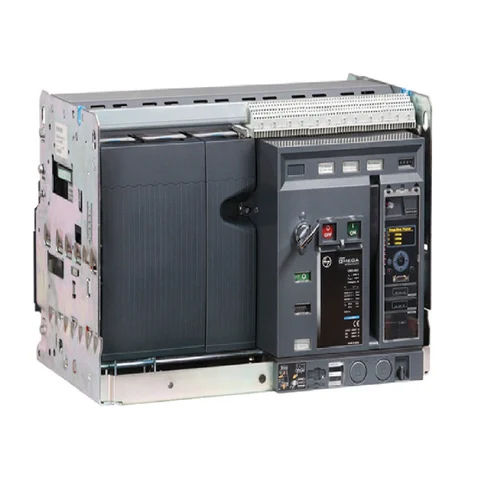
Comprehensive ACB SolutionsWe specialize in maintaining, repairing, testing, and retrofitting Siemens Air Circuit Breakers with both manual and motorized operating mechanisms. Our services encompass a wide range of accessories, from under/over voltage and shunt trips to sophisticated alarm and auxiliary contacts. Supported by experienced technicians, we ensure seamless integration and optimal protection for your critical power systems.
Enhanced Safety and EfficiencySiemens ACBs provide dependable overcurrent, short circuit, and earth fault protection for three-phase systems, with breaking capacities up to 100kA. Integrated temperature relays and customized trip curves support diverse industrial requirements. Our responsive service improves system longevity while minimizing downtime and unforeseen electrical faults.
Flexible Mounting and Advanced CommunicationOur solutions accommodate both horizontal and vertical mounting, suited for installation in varied industrial environments. With advanced communication options such as Modbus and Profibus, Siemens ACBs can be integrated with modern monitoring systems, supporting streamlined maintenance and diagnostics for enhanced operational visibility.
FAQs of Siemens ACB Service:
Q: How do I choose between manual and motorized operating mechanisms for Siemens ACBs?
A: Selection depends on your application and operational needs. Manual mechanisms are suitable for infrequent operations or where remote control is not required, while motorized options provide automated operation, ideal for facilities needing remote control, frequent switching, or enhanced safety.
Q: What is the typical process for Siemens ACB maintenance and repair?
A: Our service begins with a thorough assessment, followed by onsite inspection, diagnostics, and testing. Worn or faulty componentssuch as trip units, contacts, or auxiliary devicesare repaired or replaced. Final testing ensures reliable operation and full compliance with safety standards before re-commissioning.
Q: When should Siemens ACBs be retrofitted or retrofilled?
A: Retrofitting is recommended if your existing ACB shows signs of aging, frequent faults, or cannot accommodate updated protection requirements. Retrofill solutions are ideal when full replacement is impractical, providing upgraded protection, communication interface, and longer service life without major panel modifications.
Q: Where are Siemens ACBs with advanced communication used?
A: These breakers are commonly deployed in industrial plants, commercial complexes, and data centers across India, where real-time system monitoring and integration into centralized control systems via Modbus or Profibus ensure improved reliability and diagnostics.
Q: What benefit do under/over voltage trips and shunt trips provide?
A: Under/over voltage trips safeguard equipment from voltage anomalies, automatically disconnecting power during unsafe conditions. Shunt trips allow remote-controlled tripping, significantly increasing personnel safety and system protection during electrical faults or emergencies.
Q: Can Siemens ACBs operate across varied ambient temperatures and mounting types?
A: Absolutely. Siemens ACBs function efficiently from -20C to +70C, and can be mounted either horizontally or vertically. This versatility enables their deployment in diverse industrial environments with varying space and thermal management requirements.
Q: What documentation or certifications are provided after service completion?
A: After every maintenance, repair, or retrofit, we offer detailed service reports and certificates of compliance, documenting all performed works, component replacements, and test results to ensure adherence to safety and operational standards.








 Send Inquiry

 Send Inquiry
