About Power Quality Analysis Services
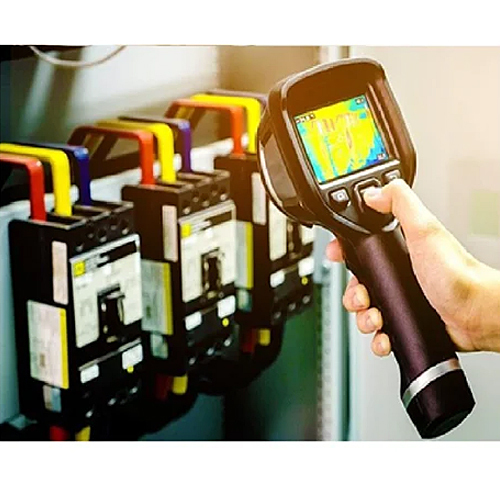
Being quality oriented organization; we are offering Power Quality Analysis Services will be done by our professionals who is quality-centric in nature. They do their job with the utilization of good quality required materials and latest technologies under the supervision of professionals. It is mainly utilized in a given electrical system for involving a thorough assessment of the electrical system, including measurements of voltage, current, frequency, and power factor. We have hired pool of industry professionals who are well versed in providing these services in the most effective manner. Our offered Power Quality Analysis Services can be avail from us at market leading price rate.
| Analytical Service Frequency |
Yearly |
| Preferred Audit Location |
On-Site Testing |
| Product Type |
Electrical |
| Audit Type |
Third Party |
| Audit Method/Approvals |
IEC |
| Service Charges |
According Installed System |
Comprehensive Power Quality AssessmentOur service covers an extensive range of parameters, including harmonics, transients, flicker, voltage imbalance, and power factor. Using high-precision analyzers and advanced proprietary software, we ensure that all measurements adhere to IS, IEEE, and IEC standards, offering a reliable foundation for operational decisions.
Flexible Data Logging and Rapid ResponseWe collect data at intervals ranging from 1 second to 30 minutes, allowing for tailored analysis according to your facility's needs. Our team provides around-the-clock support across India, with emergency response times guaranteed within 24 hours to ensure uninterrupted operations and fast troubleshooting.
Detailed, Actionable ReportingEach service engagement culminates in a comprehensive report delivered in your preferred format-PDF or hard copy. Our proprietary analytics platform enables accurate interpretation of measurements, helping you identify root causes and implement practical solutions for improving power quality at your site.
FAQ's of Power Quality Analysis Services:
Q: How is the power quality analysis performed at my site?
A: Our qualified engineers conduct onsite assessments using high-precision power quality analyzers that comply with IEC 61000-4-30 Class A standards. Data is logged at intervals between 1 second and 30 minutes, analyzed by our proprietary analytics platform, and then synthesized into a detailed report.
Q: What parameters and issues can your analysis detect and address?
A: We examine voltage, current, frequency, total harmonic distortion, and power. Our services can identify and address harmonics, transients, flicker, voltage imbalance, and power factor issues impacting your industrial or commercial facility.
Q: When should I consider ordering a power quality analysis service?
A: It is recommended to schedule a power quality analysis during commissioning, after major electrical changes, when experiencing equipment malfunctions, or if energy efficiency problems arise. Regular assessments help maintain optimal operation and compliance with industry standards.
Q: Where can I access your services, and is there a minimum order?
A: We provide power quality analysis services across all regions of India, with a minimum service order requirement of one site. Our team can support both single and multiple facility projects in industrial and commercial settings.
Q: What is the process from site assessment to reporting?
A: After booking our service, our engineers install analyzers onsite and begin data logging according to your interval preferences. Data is then processed via our proprietary software, and a comprehensive report is prepared and delivered in either PDF or hard copy formats.
Q: How is data confidentiality and security managed during analysis?
A: Client data confidentiality is a top priority. All collected information is securely handled in adherence to industry best practices, ensuring your operational data remains protected throughout the engagement.
Q: What immediate benefits do I receive from power quality analysis?
A: Benefits include diagnosing and resolving power quality issues, minimizing equipment downtime, improving energy efficiency, demonstrating compliance with international standards, and receiving expert recommendations for long-term power reliability.









 Send Inquiry

 Send Inquiry
